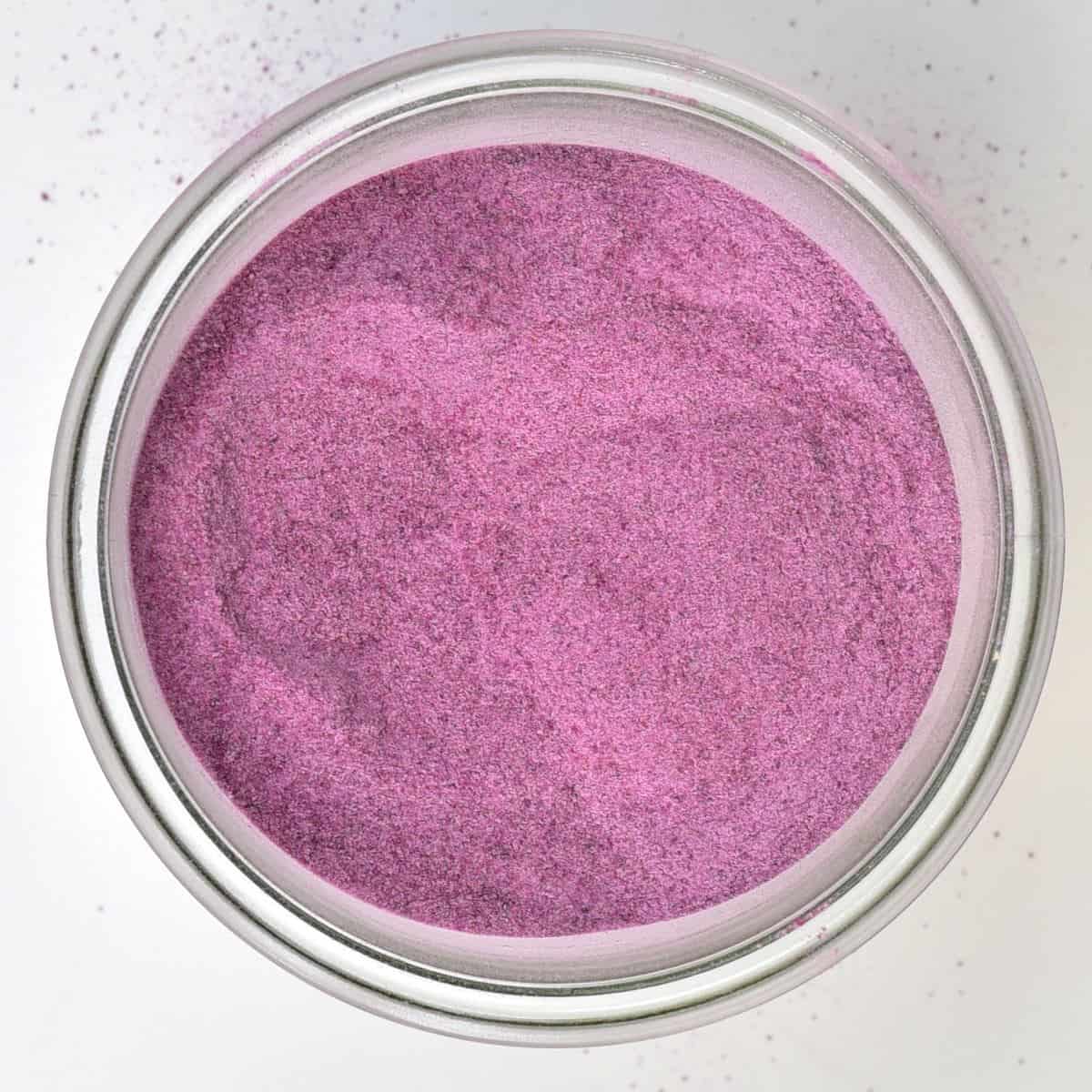
Embrace the Ube Craze: Unlock Year-Round Flavor with Homemade Powder
The culinary world has fallen head over heels for ube, the vibrant purple yam that originated in Southeast Asia. Its distinct, subtly sweet, and nutty flavor, often likened to vanilla, pistachio, or white chocolate, combined with its mesmerizing hue, makes it a star ingredient in everything from ice cream and cakes to lattes and savory dishes. However, for many outside of specific regions or well-stocked Asian markets, sourcing fresh ube can be a persistent challenge.
Imagine never again having to hunt for this elusive root vegetable or settling for expensive, potentially additive-filled store-bought versions. The secret? Learning how to make ube powder purple sweet potato powder right in your own kitchen. This ingenious method allows you to capture the essence of ube, transforming it into a shelf-stable, versatile powder that opens up a world of culinary possibilities, no matter where you live or what time of year it is.
Beyond convenience, homemade ube powder offers numerous advantages. It provides an authentic, superior flavor compared to many commercial powders, ensures you're using only natural ingredients, and serves as an incredible natural food coloring. This simple process of cooking, dehydrating, and grinding your chosen purple root is a game-changer for any ube enthusiast. For a more detailed look into making this culinary staple, check out our guide on Homemade Ube Powder: Make Purple Yam & Sweet Potato Powder Easily.
Ube vs. Purple Sweet Potato: Understanding Your Purple Powerhouse
Before diving into the "how-to," it's crucial to address a common point of confusion: the difference between ube (purple yam) and purple sweet potato. While both are distinct root vegetables, they often share the spotlight in discussions about vibrant purple foods, and crucially, both can be used to create a stunning purple powder following the same method.
- Ube (Dioscorea alata): Originating from the Philippines and other parts of Southeast Asia, ube is a true yam. It boasts a unique, slightly sweeter, and earthier flavor profile than its sweet potato counterpart, often described as having notes of vanilla or pistachio. It's the traditional ingredient in Filipino desserts like ube halaya (jam), ube ice cream, and ube cakes.
- Purple Sweet Potato (Ipomoea batatas): These are distinct from ube and can be found globally, often in varieties like the Okinawan sweet potato. They have a milder, sweeter flavor, and a slightly different texture than ube. While not the "authentic" ube, they produce an equally stunning purple color and a delicious powder that works beautifully in most recipes, especially for coloring and adding a sweet, starchy component.
The beauty of this homemade powder method is its versatility. Many home cooks, when unable to source fresh ube, have found that purple sweet potatoes yield a wonderfully purple and flavorful powder that performs exceptionally well. So, whether you manage to find genuine ube or opt for the more readily available purple sweet potato, you're on your way to creating a fantastic culinary ingredient.
Gather Your Tools: What You'll Need for Ube Powder Perfection
The process of making your own ube or purple sweet potato powder is surprisingly straightforward and doesn't require highly specialized equipment. Here’s a breakdown of what you’ll need:
Ingredients:
- Fresh Ube (Purple Yam) or Purple Sweet Potatoes: The star of our show! The amount will depend on how much powder you wish to make, keeping in mind that root vegetables dehydrate significantly. When selecting, look for firm, unblemished roots. If you’re purchasing imported varieties, try to use them within a day or two for peak freshness.
Essential Equipment:
- An Oven or a Food Dehydrator: Either works, but a dehydrator is generally more energy-efficient for long drying times. If using an oven, ensure it can maintain a very low temperature.
- Baking Sheet(s): For cooking the roots.
- Parchment Paper: Prevents sticking and makes cleanup easier.
- Fork: For pricking the roots before baking.
- Potato Peeler: For removing the skin after cooking.
- Potato Masher or Fork: To mash the cooked roots.
- High-Powered Blender or Food Processor: Crucial for grinding the dehydrated pieces into a fine powder.
- Fine-Mesh Sieve (Optional but Recommended): For achieving an ultra-fine, lump-free powder.
- Airtight Storage Container(s): Essential for preserving your finished powder.
Step-by-Step Guide: Crafting Your Own Ube Powder at Home
The journey from fresh root to vibrant powder is simple, involving just a few key stages. Follow these steps for perfect results:
-
Step 1: Prepare and Cook Your Purple Roots
Thoroughly wash your ube or purple sweet potatoes under running water to remove any dirt. Pat them dry with a clean cloth or paper towel. Using a fork, prod each root several times to allow steam to escape during baking. Place the prepared roots on a parchment-lined baking sheet.
Bake them in a preheated oven at 400°F (200°C) for approximately 40-70 minutes, or until they are fork-tender. The exact baking time will vary depending on the size and thickness of your roots. Larger or denser roots will naturally take longer to cook through.
-
Step 2: Peel and Mash to a Smooth Consistency
Once baked, allow the ube or sweet potatoes to cool down until they are comfortable enough to handle. The skin should peel away easily at this point. Use a potato peeler or simply your hands to remove the skin.
Transfer the peeled roots to a bowl and mash them thoroughly using a potato masher or a fork. Your goal is a smooth, lump-free consistency, similar to a purée. A smoother mash will dry more evenly and quickly in the next step.
-
Step 3: Dehydration – The Essence of Preservation
This is the most critical step for shelf-stable powder. Even drying is key.
- Using a Food Dehydrator: Spread the mashed ube or sweet potato thinly and evenly onto dehydrator trays lined with non-stick sheets or parchment paper. Aim for a thickness of about 1/8 to 1/4 inch. Dehydrate at 125-135°F (52-57°C) for 6-12 hours or longer. The exact time will depend on your dehydrator, the thickness of the spread, and the moisture content of the roots. Rotate trays periodically for even drying.
- Using an Oven: If you don't have a dehydrator, your oven can do the job. Spread the mashed roots thinly on parchment-lined baking sheets. Set your oven to its lowest possible temperature, typically around 170-200°F (77-93°C). Prop the oven door slightly ajar (using a wooden spoon or heat-proof object) to allow moisture to escape and promote air circulation. Dehydrate for 4-8+ hours, or until completely brittle. This method requires more vigilance, as ovens can fluctuate in temperature, and you need to ensure the roots don't burn.
Regardless of the method, the roots are fully dehydrated when they are completely dry, brittle, and snap easily. There should be no flexibility or moisture left, as this can lead to spoilage.
-
Step 4: Transform Into Fine Powder
Once your dehydrated ube or sweet potato pieces are thoroughly cooled and completely dry, it's time to turn them into powder. Break any larger pieces into smaller chunks and transfer them to a high-powered blender or food processor. Grind until you achieve a fine, consistent powder.
For an exceptionally smooth powder, especially desirable for baking and drinks, pass the ground powder through a fine-mesh sieve. Any larger bits remaining in the sieve can be returned to the blender for a second round of grinding.
-
Step 5: Proper Storage for Lasting Freshness
The final step is crucial for maintaining the quality and extending the shelf life of your homemade ube powder. Allow the powder to cool completely after grinding. Transfer it to an airtight container, such as a glass jar with a tight-fitting lid. Store it in a cool, dark, and dry pantry. Stored correctly, your homemade ube powder can last for several months, ready to be used whenever inspiration strikes!
Beyond the Basics: Tips for Perfect Powder & Creative Uses
Achieving the perfect ube powder takes a little patience, but the results are incredibly rewarding. Here are some additional tips and ideas for how to utilize your vibrant new ingredient:
- The "Snap" Test: Always ensure your dehydrated pieces are completely brittle and snap when bent. If they still have any give, they contain moisture and need more drying time to prevent mold and spoilage.
- Even Spreading: The thinner and more even your mashed ube is spread on the dehydrator trays, the faster and more uniformly it will dry.
- Rehydration for Recipes: To use your powder as a paste or purée, simply mix it with a small amount of hot water or milk until you achieve the desired consistency. Start with a 1:1 ratio (e.g., 1 tablespoon powder to 1 tablespoon liquid) and add more liquid gradually.
- Creative Culinary Applications: Your homemade ube powder is incredibly versatile:
- Baking: Incorporate it into cakes, cookies, muffins, pancakes, bread, and even pasta dough for a beautiful color and subtle flavor.
- Beverages: Stir it into lattes, smoothies, milkshakes, or hot chocolate for a colorful and nutritious boost.
- Desserts: Use it to make ube ice cream, custards, puddings, or as a natural coloring for frosting and glazes.
- Savory Dishes: Experiment by adding it to gnocchi, mashed potatoes (for a unique twist), or even sweet potato fries batter.
- Natural Food Coloring: Beyond flavor, this powder excels as a natural food coloring. A small amount can transform frostings, batters, and even playdough into stunning shades of purple without artificial dyes. If you're looking for more ways to use natural colorants in your kitchen, don't miss our guide on Never Run Out: DIY Ube Powder for Natural Purple Food Coloring.
Making your own ube or purple sweet potato powder at home is a rewarding endeavor that liberates you from the constraints of seasonal availability and specialty store hunts. With a little effort, you can always have this vibrant, versatile ingredient on hand, ready to infuse your culinary creations with its unique flavor and breathtaking color. So, roll up your sleeves, embrace the purple power, and unlock a new dimension of deliciousness in your kitchen!
