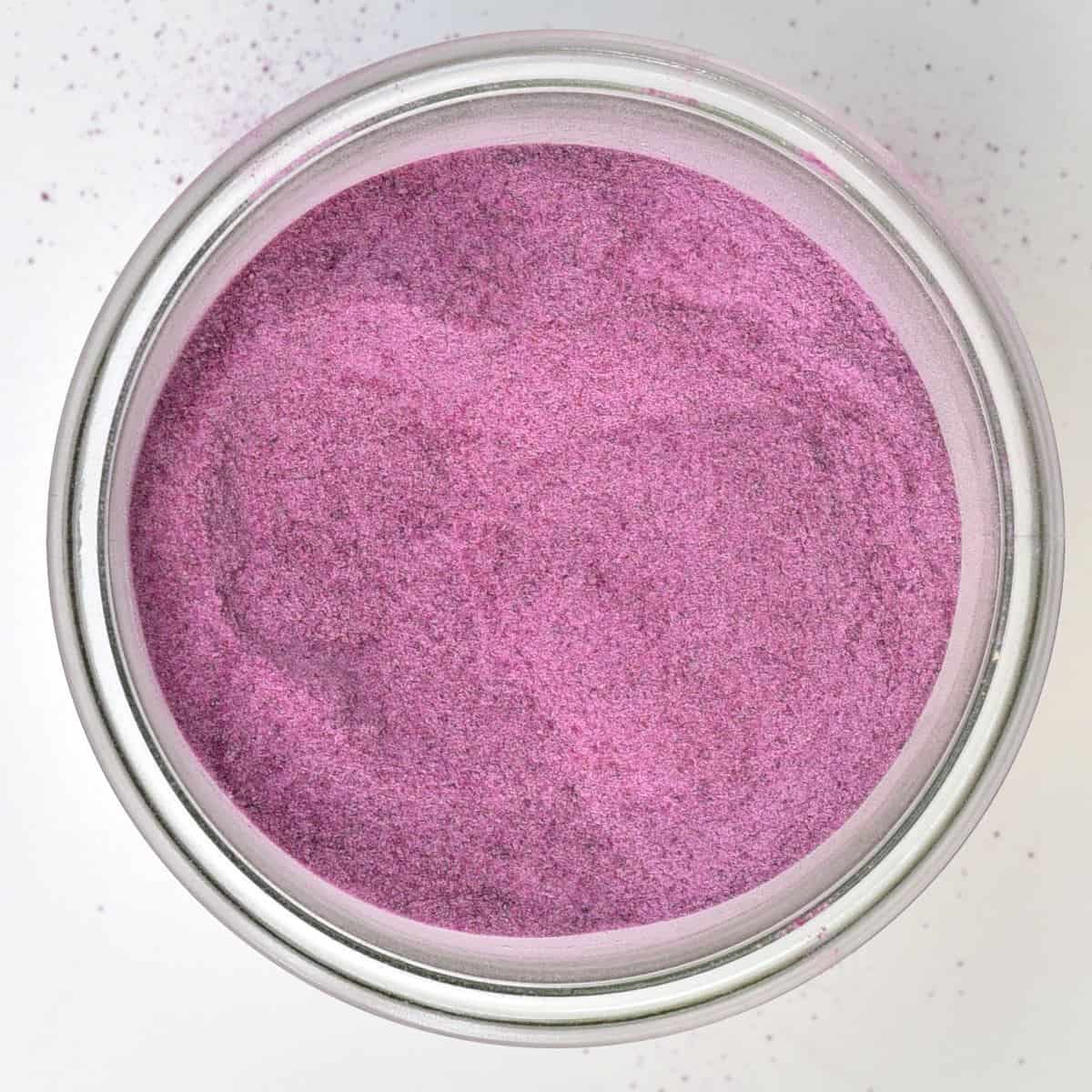
Homemade Ube Powder: Elevate Your Culinary Creations with Vibrant Purple
The enchanting allure of ube, with its striking purple hue and subtly sweet, nutty flavor, has captivated palates worldwide, making it a star ingredient in countless desserts and dishes. From creamy ube ice cream to delectable ube cakes and pastries, this vibrant root vegetable brings both beauty and exquisite taste to the table. However, sourcing fresh ube (purple yam) can often be a challenge outside of specific Asian markets or regions. Fear not, culinary enthusiasts! This comprehensive guide will show you **how to make ube powder purple sweet potato powder** right in your own kitchen, providing a convenient, long-lasting, and incredibly versatile ingredient for all your purple-powered aspirations.
Whether you're aiming to create stunning naturally colored dishes or simply want to have the unique flavor of ube readily available, mastering this simple dehydration technique is a game-changer. The best part? The method works beautifully for both true ube and its close cousin, the purple sweet potato, yielding a wonderfully potent and vibrantly purple powder that can be stored for months.
Why Make Your Own Homemade Ube Powder? The Benefits Beyond Convenience
While store-bought ube powder is an option, crafting your own comes with a myriad of advantages that elevate your cooking and baking experience.
*
Unparalleled Flavor and Quality: Many who have tried both agree that homemade ube powder boasts a superior, more authentic flavor profile compared to its commercially processed counterparts. It retains more of the natural sweetness and earthiness, making your dishes taste more vibrant and fresh.
*
Overcoming Scarcity: Fresh ube can be notoriously difficult to find in many parts of the world, making it a rare treat. By making your own powder, you transform a perishable seasonal ingredient into a pantry staple, ready whenever inspiration strikes.
*
Natural Food Coloring: Forget artificial dyes! This powder provides a stunning, all-natural purple coloring that can transform everything from pasta and hummus to frostings and smoothies. Its vibrant pigment is unmatched and entirely wholesome.
*
Extended Shelf Life: Dehydration is nature's way of preservation. Once converted into a powder, your ube or purple sweet potato can be stored in an airtight container for months, even up to a year, without losing its potency or flavor.
*
Cost-Effective: If you manage to find fresh ube or purple sweet potatoes on sale, making your own powder can be more economical in the long run than repeatedly purchasing smaller quantities of pre-made powder.
*
Complete Control: You control the quality of the starting ingredient and the entire processing method, ensuring no unwanted additives or preservatives find their way into your superfood powder.
Ube vs. Purple Sweet Potato: Understanding the Nuances and Interchangeability
Before we dive into the steps, it's helpful to clarify the difference between ube and purple sweet potato, and why they can often be used interchangeably for powder-making.
*
Ube (Purple Yam): Originating from Southeast Asia, particularly the Philippines, ube is a true yam with a distinct, slightly nutty, and subtly vanilla-like flavor. It's famously used in traditional Filipino desserts like ube halaya, ube jam, and various pastries. Its texture when cooked is often creamier and less starchy than a sweet potato.
*
Purple Sweet Potato: While visually similar, purple sweet potatoes are, as the name suggests, sweet potatoes. Varieties like the Okinawan or Stokes purple sweet potato are common. They tend to be sweeter and sometimes drier than ube, with a flavor profile more akin to a regular sweet potato, albeit with a unique earthy undertone.
For the purpose of making a vibrant purple powder, both ube and purple sweet potato perform exceptionally well. The dehydration process concentrates their natural sugars and pigments, resulting in a beautiful purple powder that serves as an excellent natural food coloring and a versatile flavor enhancer. While there are subtle flavor differences between the two, for many applications, especially where other ingredients are present, either will yield fantastic results. If fresh ube proves too elusive, purple sweet potatoes are a fantastic and often more accessible alternative.
Essential Tools and Ingredients for Your Purple Powder Project
The beauty of this project lies in its simplicity. You don't need a pantry full of specialized equipment to get started.
*
Purple Sweet Potato or Ube: This is your star ingredient. Look for firm, unblemished roots. If you're importing them, use them within a day or two for peak freshness.
*
An Oven or Dehydrator:
*
Dehydrator: This is the ideal tool. It offers low, consistent heat, making the process energy-efficient and hands-off.
*
Oven: A perfectly viable alternative for those without a dehydrator. You'll need to use a very low temperature and potentially keep the door slightly ajar to allow moisture to escape.
*
Baking Tray(s) and Parchment Paper: Essential for both cooking and dehydrating, preventing sticking.
*
Fork: For pricking the roots before baking.
*
Potato Masher or Fork: For mashing the cooked roots.
*
Blender, Food Processor, or Spice Grinder: For pulverizing the dried pieces into a fine powder. A high-speed blender is often the most efficient.
*
Airtight Container: For storing your finished powder. Glass jars are excellent choices.
*
Optional: Mesh Sieve: For achieving an ultra-fine, lump-free powder.
Step-by-Step Guide: How to Make Ube Powder (or Purple Sweet Potato Powder)
This process is incredibly straightforward, essentially involving cooking, dehydrating, and then grinding. Follow these steps for perfect results every time.
Step 1: Wash and Cook Your Purple Roots
First, you need to cook your ube or purple sweet potatoes until tender. This makes them safe for consumption in raw recipes later and also prepares them for even dehydration.
1.
Wash Thoroughly: Rinse all your purple yams or sweet potatoes under cool running water to remove any dirt or debris. Pat them dry with a clean towel.
2.
Prepare for Baking: Using a fork, prod each root several times all over. This allows steam to escape during baking and prevents them from bursting.
3.
Bake Until Tender: Place the pricked roots on a parchment-lined baking tray. Bake in a preheated oven at
475ºF (240ºC) for 40-60 minutes, or until they are easily pierced with a fork and feel tender. The exact time will vary based on the size and type of root vegetable.
Step 2: Peel and Mash Them
Once cooked, allow the roots to cool sufficiently so you can handle them comfortably.
1.
Cool Down: Let the baked ube/purple sweet potatoes cool on the tray until they are cool enough to touch.
2.
Peel the Skin: The skin should slip off quite easily after baking. You can use your hands or a small paring knife to help. Discard the skins.
3.
Mash Thoroughly: Place the peeled purple flesh into a bowl and mash it thoroughly with a potato masher or a fork until mostly smooth. A few small lumps are acceptable, as they will be dried and then powdered. The goal here is to break them down for easier, more even spreading.
Step 3: Dehydration – The Key to Longevity
This is the most critical step for ensuring a long shelf life for your powder. You need to remove almost all the moisture.
1.
Spread Evenly: Take your mashed ube/purple sweet potato and spread it thinly and evenly onto parchment-lined baking trays (for the oven) or dehydrator trays. Aim for a thickness of no more than 1/4 inch (about 0.5 cm). Thinner layers will dry faster and more uniformly.
2.
Dehydrate in the Oven:
* Preheat your oven to its lowest setting, typically around
175-200°F (80-95°C).
* If your oven has a convection or fan-assist setting, use it to help circulate air.
* Prop the oven door slightly ajar with a wooden spoon to allow moisture to escape.
* Bake for
6-12 hours or longer, flipping the mash occasionally, until it is completely dry and brittle. It should snap cleanly, not bend.
3.
Dehydrate in a Dehydrator:
* Set your dehydrator to
125-135°F (50-57°C).
* Dehydrate for
8-16 hours or even longer, until the ube/sweet potato pieces are completely dry and brittle. They should feel hard and snap easily when bent.
Important Tip: Complete dryness is paramount. Any remaining moisture will lead to mold and spoilage. When you think it's dry, give it another hour or two just to be safe.
Step 4: Powdering Perfection
Once your dehydrated purple pieces are bone-dry, it's time to turn them into powder.
1.
Break into Smaller Pieces: If your dried ube/sweet potato formed large sheets, break them into smaller, more manageable pieces for your grinder.
2.
Grind into Powder: Transfer the dried pieces to your blender, food processor, or spice grinder. Pulse and blend until a fine powder forms. Be patient; it might take a few minutes to achieve a super-fine consistency.
3.
Optional: Sieve for Finer Powder: For an exceptionally smooth powder, pass it through a fine-mesh sieve. Any larger bits caught in the sieve can be returned to the grinder for further processing.
Step 5: Storage
Proper storage ensures your homemade powder remains potent and fresh for as long as possible.
1.
Cool Completely: Allow the powder to cool down completely before storing. Warm powder can create condensation in the container, leading to moisture issues.
2.
Airtight Container: Transfer the cooled powder to a clean, dry, airtight container, such as a glass jar with a tight-fitting lid.
3.
Store in a Cool, Dark Place: Keep your powder away from direct sunlight, heat, and humidity. Stored correctly, it will last for several months, often up to a year.
Creative Uses for Your Homemade Purple Powder
Now that you've mastered **how to make ube powder purple sweet potato powder**, the culinary possibilities are endless! This versatile ingredient can be used in both sweet and savory applications.
*
Rehydrate for Mash: To make ube or purple sweet potato mash, simply add water or milk gradually to your powder until you reach your desired consistency. This is perfect for making traditional ube halaya or as a filling for pastries.
*
Baking Delights: Incorporate the powder into cakes, cookies, muffins, pancakes, waffles, and bread for both color and flavor. Imagine vibrant purple bagels or a stunning ube chiffon cake!
*
Desserts and Drinks: Blend it into ice cream bases, puddings, custards, smoothies, milkshakes, and even lattes for an exotic twist.
*
Natural Food Coloring: Use a small amount to naturally tint frostings, glazes, pasta dough, rice, or even hummus.
*
Savory Dishes: Experiment by adding a pinch to stews, pureed soups, or even homemade gnocchi for an unexpected color and subtle sweetness.
To truly
unlock ube flavor and ensure you
never run out: DIY Ube Powder for Natural Purple Food Coloring, making your own powder is an essential skill for any adventurous home cook.
Conclusion
Making your own homemade ube powder or purple sweet potato powder is a rewarding project that opens up a world of vibrant culinary possibilities. It's a simple, natural way to preserve the unique flavor and stunning color of these incredible root vegetables, offering convenience, superior taste, and a healthy alternative to artificial food colorings. So, gather your ingredients, follow these easy steps, and get ready to infuse your kitchen with the magical allure of purple. Your taste buds and your eyes will thank you!