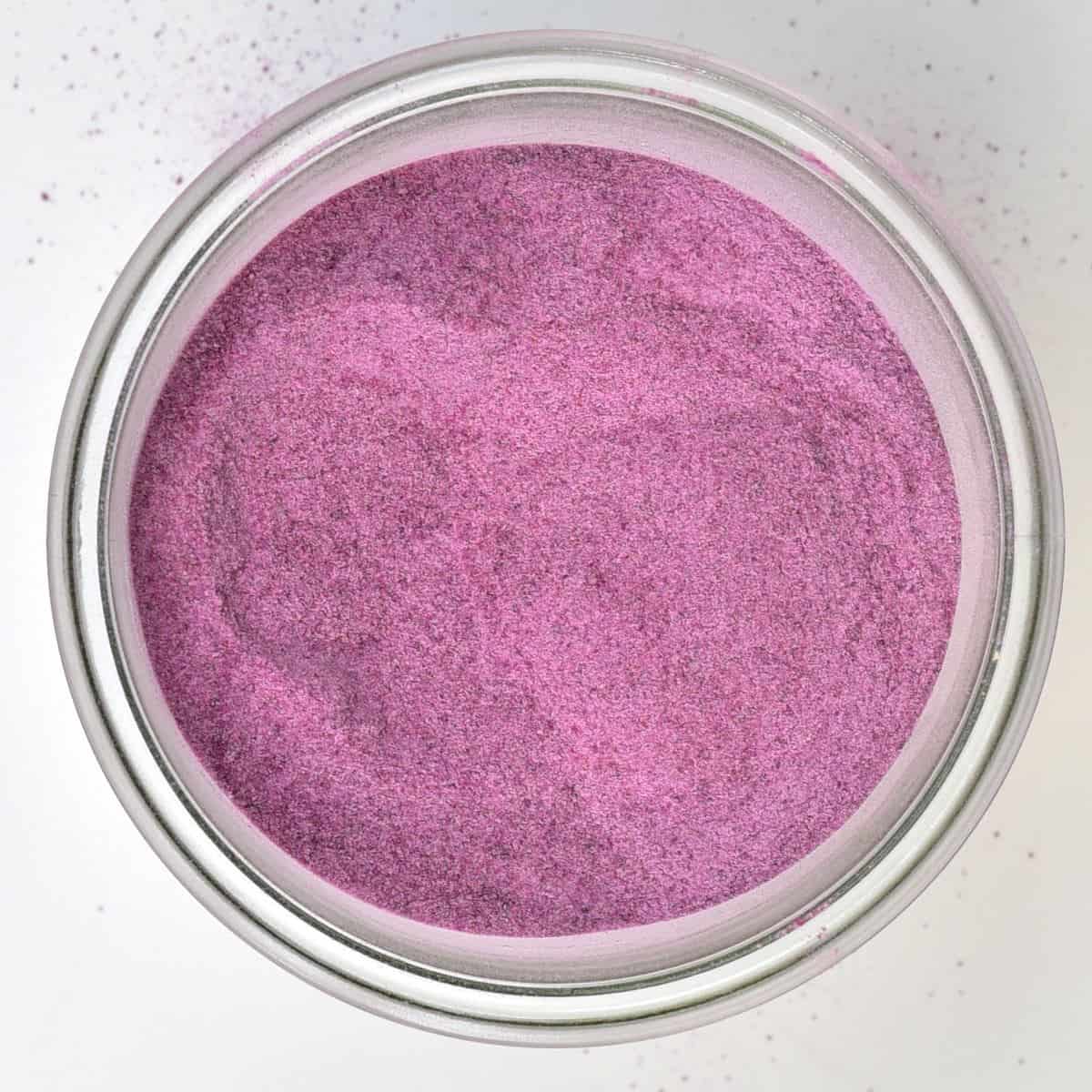
Unlock Vibrant Hues: Your Guide to DIY Ube Powder for Natural Purple Food Coloring
Imagine a world where your desserts, drinks, and dishes burst with a rich, natural purple hue, without a drop of artificial dye. This isn't a fantasy; it's the beautiful reality of homemade ube powder. Prized for its striking color and subtly sweet, nutty flavor, ube (purple yam) has taken the culinary world by storm, especially in vibrant Filipino cuisine. However, finding fresh ube can be a culinary quest, often leaving home cooks yearning for its unique charm. The good news? You can easily master
how to make ube powder purple sweet potato powder right in your own kitchen, creating a versatile, long-lasting ingredient for all your colorful creations.
This comprehensive guide will walk you through the simple steps to transform fresh purple yams or sweet potatoes into a magnificent, fine powder. Not only will you ensure a constant supply of this natural wonder, but you'll also discover a superior flavor and potency that often surpasses store-bought alternatives. Get ready to ditch the artificial dyes and embrace the natural beauty of purple!
Ube vs. Purple Sweet Potato: Understanding Your Natural Purple Powerhouses
Before we delve into the making process, it's helpful to clarify the star ingredients. Often confused, ube and purple sweet potato are distinct root vegetables that share a stunning purple pigment and culinary versatility.
*
Ube (Dioscorea alata): Also known as purple yam, ube originates from Southeast Asia. It possesses a unique, slightly nutty, vanilla-like flavor that is less sweet than purple sweet potatoes. It's the traditional ingredient in Filipino delicacies like ube halaya (jam), ube ice cream, and ube cakes. Fresh ube can be notoriously difficult to source outside of specific Asian markets, especially in regions like the US and UK.
*
Purple Sweet Potato (Ipomoea batatas): While sharing the vibrant purple hue, purple sweet potatoes are, as the name suggests, a type of sweet potato. They tend to be sweeter and have a slightly earthier flavor profile compared to ube. Varieties like Okinawa sweet potatoes or Stokes Purple sweet potatoes are more readily available in many mainstream grocery stores.
The exciting revelation for home cooks is that **how to make ube powder purple sweet potato powder** follows the exact same methodology, yielding a wonderfully potent purple powder regardless of which ingredient you use. This means you have flexibility based on what's available to you. Both will provide an exceptional natural purple food coloring, and their subtle flavor differences can be tailored to your recipe. While fresh ube can be a treasure hunt, you can
unlock ube flavor by making powder at home when fresh is scarce, ensuring you never miss out on its unique essence.
The Simple Process: Mastering Your DIY Purple Powder
Crafting your own ube or purple sweet potato powder is surprisingly straightforward, requiring just a few key steps: cook, dry, and pulverize. You don't even need specialized equipment, though a dehydrator certainly makes the drying process more efficient.
What You’ll Need:
*
Purple Sweet Potatoes or Ube: Choose fresh, firm tubers without blemishes. Aim to process them within a day or two of purchase for optimal freshness.
*
Oven or Food Dehydrator: Your primary tool for removing moisture.
*
Parchment Paper: For baking and preventing sticking.
*
Fork, Peeler, Sharp Knife: For preparation.
*
Blender, Food Processor, or Spice Grinder: For pulverizing the dried pieces.
*
Airtight Container: For storage.
Step-by-Step Instructions:
1.
Wash and Cook the Tubers:
Thoroughly wash your purple sweet potatoes or ube under running water to remove any dirt. Pat them dry. Using a fork, prod each tuber several times to allow steam to escape during cooking. This crucial pre-cooking step softens the tubers, making them palatable for raw recipes later and easier to mash and dehydrate evenly.
Preheat your oven to a high temperature, around 475°F (240°C). Place the pricked tubers on a parchment-lined baking tray. Bake for 40-60 minutes, or until they are fork-tender. The exact time will depend on their size and whether you're using ube or purple sweet potato, with larger or denser tubers requiring more time.
2.
Peel and Mash Them:
Once baked, allow the tubers to cool sufficiently so they are comfortable to handle. The skin should peel away easily – you can use your hands, a peeler, or a knife to remove it. Discard the skins.
Next, mash the cooked purple flesh. A fork, potato ricer, or even a food mill will work perfectly. The goal is a smooth, lump-free mash, similar to a purée. The smoother and more consistent the mash, the more evenly it will dry. This step is critical for ensuring uniform dehydration.
3.
Dehydrate the Mash:
This is where the magic happens – removing all moisture to preserve the vibrant color and flavor.
*
Using a Dehydrator: Spread the mashed ube or purple sweet potato thinly and evenly onto dehydrator trays lined with parchment paper or non-stick sheets. Aim for a thickness of about 1/8 to 1/4 inch. Dehydrate at 135°F (57°C) for 8-12 hours, or until the pieces are completely dry and brittle. They should snap easily and feel bone-dry, with no pliability.
*
Using an Oven: If you don't have a dehydrator, your oven can do the job. Preheat your oven to its lowest setting, typically around 150-200°F (65-93°C). Spread the mash thinly on parchment-lined baking sheets. Crucially, prop the oven door slightly ajar with a wooden spoon or heat-safe object. This allows moisture to escape, preventing the mash from simply baking. Flip the pieces periodically to ensure even drying. This method can take significantly longer, often 6-12 hours or even more, depending on your oven and the thickness of the mash. The goal remains the same: completely brittle pieces.
4.
Pulverize into Powder:
Once your dried ube or purple sweet potato pieces are absolutely brittle and devoid of any moisture, it's time to turn them into a fine powder. Transfer the dried pieces to a high-speed blender, food processor, or a dedicated spice/coffee grinder. Process until you achieve a superfine powder.
For an extra-smooth consistency, you can sift the powder through a fine-mesh sieve. Any larger pieces can be re-blended. This fine consistency is ideal for mixing seamlessly into liquids and batters, ensuring your natural purple food coloring disperses beautifully.
Tips for Success & Maximizing Your Powder
To ensure your homemade ube or purple sweet potato powder is the best it can be, keep these expert tips in mind:
*
Even Thickness is Key: When spreading the mash for dehydration, strive for an even, thin layer. Thicker spots will take much longer to dry and can lead to uneven drying, potentially causing spoilage during storage.
*
Absolute Dryness: This cannot be stressed enough. Any residual moisture will lead to clumping, mold, and significantly reduce the shelf life of your powder. The pieces must snap cleanly.
*
Storage Savvy: Store your finished ube powder in an airtight container in a cool, dark place. For extra protection against moisture, consider adding a food-safe desiccant packet to the container. Properly stored, your homemade powder can last for several months, ready whenever inspiration strikes.
*
Rehydration for Versatility: To use your powder as a mash or paste, simply mix it with a small amount of warm water or milk until you achieve your desired consistency. Start with a 1:1 ratio (powder to liquid) and add more liquid as needed. Let it sit for a few minutes to fully rehydrate.
*
Flavor Boost: When rehydrating for desserts, a tiny pinch of salt or a drop of vanilla extract can truly enhance the natural flavors of ube or purple sweet potato.
Unleashing the Purple Potential: Using Your Homemade Powder
Now that you've mastered
how to make ube powder purple sweet potato powder, the culinary possibilities are endless! This natural purple powerhouse is far more versatile than just a food coloring; it's a flavor enhancer and a nutritional boost.
*
Natural Food Coloring: Add a dash to your homemade pasta dough, rainbow hummus, vibrant glazes, frostings, pancake batter, or even smoothies for an instant, eye-catching purple hue.
*
Baking Brilliance: Incorporate it into recipes for ube bread, cakes, cookies, muffins, mochi, and tarts. It imparts both color and a unique, subtle flavor.
*
Delicious Drinks: Stir into lattes, milkshakes, or smoothies for a visually stunning and flavorful beverage.
*
Rehydrated Wonders: Reconstitute it to create a quick ube halaya (purple yam jam), a base for homemade ube ice cream, pie fillings, or even a vibrant topping for yogurt and oatmeal.
This homemade powder truly shines, offering superior flavor and color compared to many store-bought options. For more ideas on versatile applications and how this DIY approach is superior, check out
Homemade Ube Powder: Make Purple Yam & Sweet Potato Powder Easily.
Conclusion
Making your own ube or purple sweet potato powder is a rewarding culinary endeavor that brings a vibrant, natural touch to your kitchen. It solves the problem of sourcing fresh ingredients, offers a cost-effective alternative to store-bought powders, and provides a superior flavor and color. By following these simple steps, you'll ensure you'll *never run out* of this magnificent natural purple food coloring, ready to infuse your dishes with both beauty and deliciousness. So, roll up your sleeves, embrace the purple, and start creating culinary masterpieces today!